

Winter Roof Damage: Northern Nevada Prevention & Protection Guide
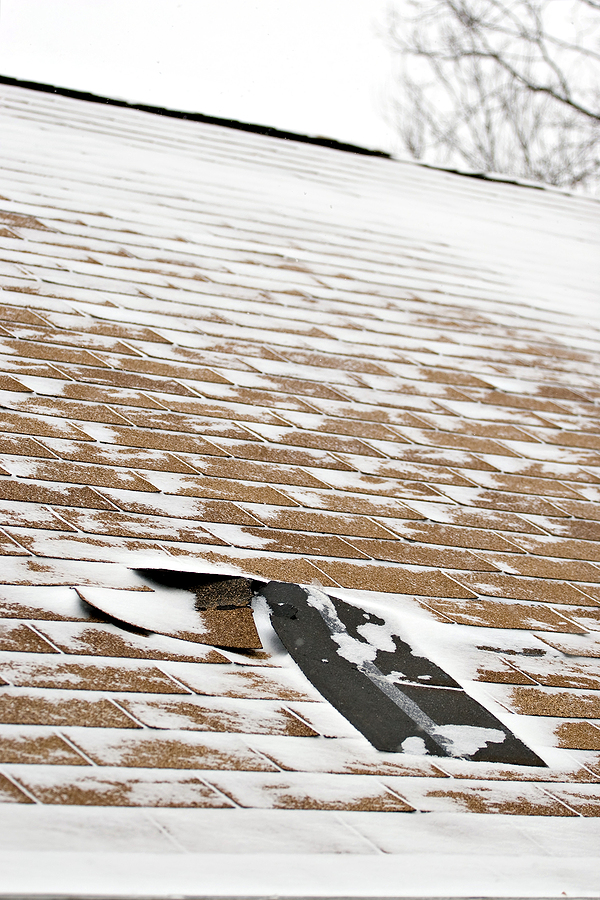
What winter roof damage threatens Northern Nevada homes?
Winter roof damage in Northern Nevada results from ice dams forcing water under shingles, freeze-thaw cycles cracking materials, heavy snow loads stressing structures, and clogged gutters backing up water. Unlike Southern Nevada's mild winters, Northern Nevada experiences significant snowfall, sustained freezing temperatures, and dramatic freeze-thaw cycles that test roof systems relentlessly. Homeowners prevent damage through proper attic insulation and ventilation eliminating ice dam conditions, pre-winter inspections identifying vulnerabilities, strategic snow removal preventing excessive loads, and maintained gutters ensuring proper drainage—protecting roofs from costly winter damage.
Northern Nevada's Winter Roof Challenges
Regional Winter Severity
Reno/Carson City/Sparks Area:
- Average snowfall: 25-60 inches annually
- Temperature swings: 10°F to 50°F creating frequent freeze-thaw
- Strong Sierra wind events stressing materials
- Extended periods below freezing
Lake Tahoe/Mountain Communities:
- Heavy snowfall: 100-400+ inches annually
- Extreme snow loads requiring structural attention
- Prolonged freezing temperatures
- Ice accumulation from repeated melting cycles
Unlike Southern Nevada: Las Vegas and Henderson experience minimal winter weather, rarely seeing snow or ice dam conditions. This guide focuses on Northern Nevada's unique winter challenges.
Common Types of Winter Roof Damage
Ice Dams: Northern Nevada's Primary Winter Threat
How Ice Dams Form:
Ice dams develop through a destructive cycle:
- Heat escapes from living spaces into attic
- Warm attic air melts underside of roof snow
- Meltwater runs down roof toward eaves
- Water refreezes at cold roof edge (eaves have no heat below)
- Ice builds up creating barrier
- Subsequent meltwater backs up behind ice dam
- Water infiltrates under shingles causing leaks
Warning Signs:
- Large icicles hanging from roof edge (not just small ones)
- Ice ridges along eaves visible from ground
- Water stains on exterior walls below roofline
- Interior ceiling or wall water damage near exterior walls
- Attic frost or ice on underside of roof sheathing
Damage Caused:
- Water infiltration through shingle layers
- Saturated attic insulation losing effectiveness
- Interior ceiling and wall water damage
- Mold growth in attic spaces and walls
- Wood rot in roof decking and framing
- Paint peeling from moisture
Prevention Strategies:
Attic Insulation (Critical): Proper insulation prevents warm air from reaching roof deck. Northern Nevada homes need R-38 to R-49 attic insulation with even coverage and no gaps.
Attic Ventilation (Essential): Balanced ventilation systems circulate cold air above insulation:
- Soffit vents providing intake air
- Ridge vents or gable vents for exhaust
- Minimum 1 square foot ventilation per 150 square feet attic space
- Ensure vents aren't blocked by insulation
Air Sealing: Seal all air leaks between living space and attic:
- Around recessed lights (use IC-rated fixtures)
- Plumbing and electrical penetrations
- Attic access hatches
- Chimney chases
- Wall top plates
Freeze-Thaw Cycle Damage
The Destructive Process:
Northern Nevada's temperature fluctuations create repeated freeze-thaw cycles:
- Water infiltrates small cracks or gaps during above-freezing periods
- Temperatures drop below freezing
- Water expands 9% when freezing
- Expansion widens cracks and gaps
- Process repeats with next temperature swing
Vulnerable Areas:
Shingles:
- Cracking from expansion/contraction
- Lifted edges allowing wind and water entry
- Broken seal strips compromising weatherproofing
- Accelerated granule loss
Flashing:
- Chimney flashing separation
- Vent pipe boot cracking
- Skylight flashing gaps
- Valley flashing displacement
- Wall intersection failures
Roof Penetrations:
- Vent seals deteriorating
- Skylight weatherstripping failure
- Chimney crown cracks
- Satellite dish mounting points
Prevention:
- Pre-winter inspection identifying vulnerable areas
- Seal minor gaps before winter
- Replace aging flashing proactively
- Ensure all penetrations properly sealed
Snow Load Structural Stress
Understanding Snow Weight:
Snow weight varies dramatically by type:
- Fresh powder: 3-5 pounds per cubic foot
- Settled snow: 15-20 pounds per cubic foot
- Wind-packed snow: 20-30 pounds per cubic foot
- Ice: 60 pounds per cubic foot
- Water-saturated snow: 20-40 pounds per cubic foot
Real-World Example: Two feet of wet snow on 1,500 square foot roof section = 30,000-60,000 pounds of additional load.
Warning Signs of Excessive Load:
- Sagging ceiling or visible roof deflection
- Interior wall or ceiling cracks (especially appearing suddenly)
- Doors or windows suddenly sticking or difficult to operate
- Popping, cracking, or groaning sounds from structure
- Separation at wall-ceiling junctions
Safe Snow Removal:
From Ground Level:
- Use roof rake with telescoping handle
- Pull snow toward you (never push up roof)
- Focus on lower 3-4 feet of roof where ice dams form
- Clear both sides of valleys where snow accumulates
- Remove snow from over doorways and walkways
When to Remove Snow:
- Accumulation exceeds 12 inches of wet, heavy snow
- Accumulation exceeds 24 inches of light, dry snow
- After back-to-back storms creating compacted layers
- When structural warning signs appear
Never:
- Walk on snow-covered roofs (hidden hazards, slippery surface)
- Use metal tools that can damage shingles
- Remove all snow (leaving 1-2 inches protects shingles)
- Attempt removal from steep roofs yourself
Gutter and Downspout Problems
Winter Gutter Issues:
Ice Blockages: Frozen gutters prevent meltwater drainage, contributing to ice dams and forcing water under shingles.
Debris Accumulation: Leaves and pine needles trap water that freezes, expanding and cracking gutters while blocking drainage.
Weight Stress: Ice-filled gutters weigh hundreds of pounds, pulling away from fascia boards and potentially collapsing.
Damage Prevention:
Fall Preparation:
- Clean gutters thoroughly before first freeze
- Ensure downspouts drain freely
- Check gutter slope directs water to downspouts
- Secure loose gutter sections
- Extend downspouts away from foundation
Winter Monitoring:
- Check for ice buildup after snowmelt periods
- Clear accessible debris during thaw periods
- Break up visible ice blockages carefully (from ground if possible)
- Watch for gutter separation from fascia
Comprehensive Winter Damage Prevention
Pre-Winter Roof Inspection (September-October)
Professional Assessment Should Include:
- Complete shingle condition evaluation
- All flashing inspection and testing
- Ventilation system assessment
- Insulation coverage and depth verification
- Gutter and downspout functionality
- Structural integrity check
- Previous damage repair verification
Homeowner Pre-Winter Checklist:
- Clean gutters and downspouts completely
- Trim tree branches within 10 feet of roof
- Check attic insulation coverage
- Verify attic ventilation isn't blocked
- Test attic access door seal
- Clear roof valleys of debris
- Document roof condition with photos
During Winter Monitoring
After Each Significant Snowfall:
- Check for ice dam formation
- Monitor interior ceilings for stains
- Verify gutters draining during thaw
- Clear accessible snow if accumulation excessive
- Watch for icicle formation patterns
Monthly Interior Checks:
- Attic inspection for frost or moisture
- Ceiling examination for new stains
- Wall checks near roof penetrations
- Listen for unusual sounds during wind
Post-Winter Inspection (March-April)
Spring Damage Assessment:
- Document any new damage from winter
- Check for lifted or damaged shingles
- Inspect all flashing for displacement
- Assess gutter damage from ice
- Verify structural integrity maintained
- Schedule repairs before spring rains
Identifying Interior Winter Roof Damage
Warning Signs Inside Your Home
Immediate Attention Required:
- Water stains on ceilings or walls
- Damp or compressed attic insulation
- Musty odors in attic or upper rooms
- Visible mold growth on attic surfaces
- Peeling paint near roofline
- Bubbling or sagging drywall
- Ice or frost on attic surfaces
Structural Concerns:
- New cracks in walls or ceilings
- Doors or windows binding
- Uneven floors near exterior walls
- Visible roof sagging from interior
When to Call Professional Help
Emergency Situations:
Immediate Professional Assistance:
- Active leaks during snowmelt
- Visible roof sagging or deflection
- Large ice dams causing ongoing leaks
- Structural damage indicators
- Extensive interior water damage
Urgent Assessment Needed:
- Repeated ice dam formation
- Multiple areas showing damage
- Uncertainty about snow load safety
- Inability to safely remove snow yourself
Professional Services:
Winter Roof Services:
- Emergency leak repair during winter
- Professional ice dam removal (steam method safe)
- Snow removal from steep or complex roofs
- Structural assessment after heavy snow
- Temporary waterproofing until spring repairs
Frequently Asked Questions
Q: How do I know if my attic insulation is adequate? A: Measure insulation depth—Northern Nevada homes need 12-16 inches of fiberglass or 10-14 inches of cellulose (R-38 to R-49). Insulation should cover the entire attic floor with no gaps.
Q: Are ice dams always a sign of insulation problems? A: Usually yes. Ice dams primarily result from heat loss warming the roof. Proper insulation and ventilation prevent most ice dam formation.
Q: How much snow is too much for my roof? A: Depends on roof design, but general rule: remove accumulation over 12 inches of wet snow or 24 inches of light snow. Watch for structural warning signs.
Q: Can I safely remove ice dams myself? A: Small ice dams can be managed with calcium chloride ice melt in nylon stockings laid across the dam. Never chip ice with tools—you'll damage shingles. Large ice dams require professional steam removal.
Q: Will heat cables prevent ice dams? A: Heat cables help but aren't a complete solution. They work best combined with proper insulation and ventilation addressing the root cause.
Q: When should I schedule my pre-winter inspection? A: September or early October, before the first significant snowfall. This allows time for repairs in good weather.
Protect Your Northern Nevada Roof This Winter
Winter roof damage prevention requires understanding Northern Nevada's specific challenges and implementing proven protective strategies. Proper attic insulation and ventilation prevent ice dams, regular inspections catch vulnerabilities early, safe snow management prevents structural stress, and professional help addresses problems before they escalate.
The investment in prevention is minimal compared to repairing extensive winter damage or replacing a roof prematurely aged by repeated winter stress.
Contact Cooper Roofing & Solar for professional winter roof preparation and damage assessment. Our team understands Northern Nevada's harsh winter conditions and provides comprehensive inspections, insulation evaluation, ventilation assessment, and expert repairs protecting your roof all winter. With 40+ years in Nevada, we know how to winterize roofs for our climate. Schedule your pre-winter inspection today and protect your home from winter roof damage.