
Smart Roofing Technologies: Nevada's Next-Generation Building Solutions
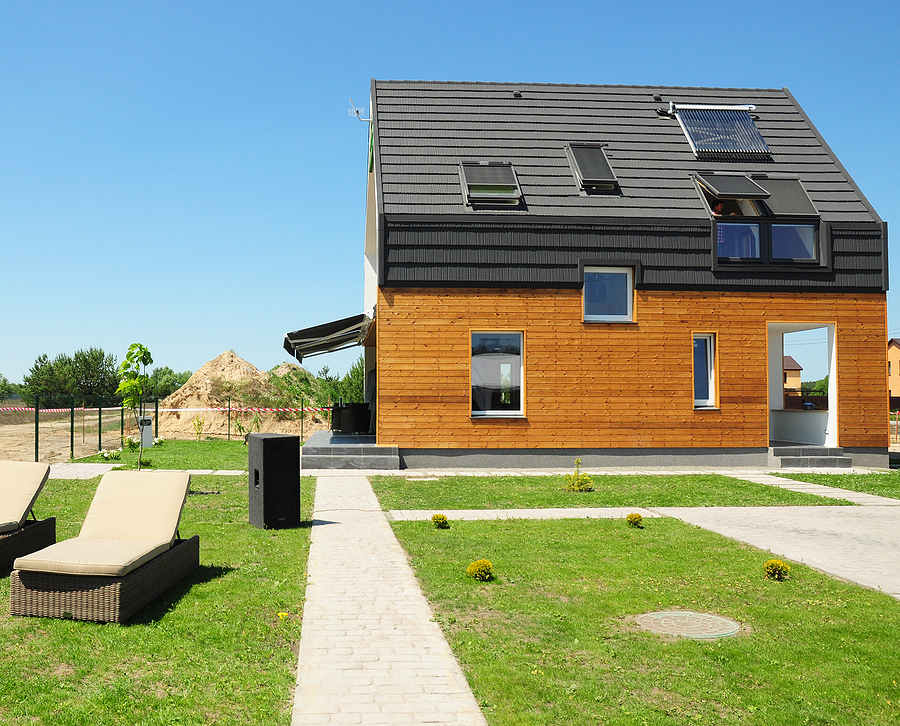
How do smart roofing technologies enhance Nevada building performance?
Smart roofing technologies transform traditional passive roofs into active building systems that monitor conditions, optimize energy use, detect problems early, and generate power. In Nevada's extreme climate—with intense UV exposure, dramatic temperature swings, and demanding weather patterns—smart roofing provides real-time moisture detection preventing costly water damage, cool roof materials reducing HVAC loads by 20-40%, integrated solar systems generating clean energy, and AI-driven monitoring identifying issues before they become emergencies. Rather than simply protecting buildings from weather, smart roofs actively contribute to efficiency, comfort, sustainability, and long-term value.
Why Smart Roofing Matters in Nevada
Nevada's Demanding Climate Creates Perfect Use Case
Southern Nevada Challenges:
- Roof temperatures exceeding 180°F stress traditional systems
- 310+ days of intense UV exposure degrade materials rapidly
- Monsoon storms create sudden leak testing
- Extreme heat drives cooling costs higher
Northern Nevada Demands:
- Heavy snow loads require structural monitoring
- Freeze-thaw cycles stress roofing materials
- Temperature swings of 70°F+ daily challenge systems
- Extended winter darkness makes solar integration valuable
Smart roofing technologies address these specific challenges through active monitoring, adaptive materials, and integrated systems that traditional roofing cannot match.
Core Smart Roofing Technologies
Intelligent Moisture Detection Systems
How They Work:
Embedded sensors placed strategically throughout the roofing assembly continuously monitor for moisture intrusion. When water presence is detected, systems immediately alert property owners or management.
Nevada Applications:
Commercial Buildings: Large flat or low-slope roofs benefit most from moisture detection. A small leak in a 20,000 square foot roof can go unnoticed for months, causing extensive damage to inventory, equipment, and interior finishes.
Residential Applications: Homes with complex roof designs, multiple penetrations, or history of leak issues gain peace of mind from early detection systems.
Technology Components:
- Wireless moisture sensors beneath roofing membrane
- Temperature monitoring tracking unusual patterns
- Central hub processing data and sending alerts
- Mobile app notifications for instant awareness
- Cloud-based data storage tracking long-term trends
Benefits:
- Detect leaks immediately rather than months later
- Pinpoint exact leak location without destructive testing
- Prevent mold growth and structural damage
- Reduce repair expenses through early intervention
- Provide documentation for insurance claims
Cool Roofing Technologies
Advanced Reflective Materials:
Cool roofing technologies use specially engineered materials and coatings that reflect solar radiation and emit absorbed heat efficiently.
Performance Metrics:
- Solar Reflectance Index (SRI): Measures combined reflectance and emittance
- Cool roof requirements: Many Nevada jurisdictions mandate SRI ratings of 78+
- Temperature reduction: Cool roofs operate 50-60°F cooler than traditional dark roofs
Nevada Cool Roofing Options:
White TPO/PVC Membranes (Commercial):
- Reflect up to 87% of solar radiation
- Reduce roof surface temperatures dramatically
- Lower HVAC cooling loads 20-40%
- Particularly effective in Southern Nevada
Reflective Coatings:
- Applied to existing roofs extending lifespan
- Available in various colors meeting aesthetic requirements
- Restore reflectivity to aged roofing
- Cost-effective alternative to replacement
Cool Shingles (Residential):
- Special granule coatings reflect infrared radiation
- Available in traditional colors (not just white)
- ENERGY STAR certified options
- Significant cooling load reduction even in dark colors
Energy Impact: Studies show Nevada buildings with cool roofing reduce summer cooling energy by 20-40%, with savings persisting for the coating or material lifespan.
Solar-Integrated Roofing Systems
Beyond Bolt-On Panels:
Modern solar integration goes beyond traditional rack-mounted panels to include building-integrated photovoltaic (BIPV) solutions.
Solar Roofing Options:
Solar Shingles:
- Individual photovoltaic shingles replacing traditional roofing
- Seamless aesthetic integration
- Full roof protection with power generation
- Ideal for HOA-restricted communities
Solar Tiles:
- Premium appearance mimicking clay or slate
- High-efficiency solar cells integrated into tile design
- Particularly popular in upscale Southern Nevada developments
Traditional Solar on Cool Roofing:
- Conventional panels on reflective membrane or coating
- Dual benefit: energy generation plus reduced cooling loads
- Most economical approach for commercial buildings
- Proven reliability and performance
Nevada Solar Integration Advantages:
- 6.0+ peak sun hours daily maximize generation
- Cool roofing beneath panels increases panel efficiency
- Year-round consistent production
- Net metering policies enhance value
Advanced Monitoring and Inspection Technologies
Drone-Based Roof Assessment
Technology Capabilities:
Modern drones equipped with multiple sensor types provide comprehensive roof analysis:
Visual Inspection:
- High-resolution photography documenting conditions
- Video recording of entire roof surface
- Zoom capabilities for detailed defect analysis
- Safe inspection of steep or dangerous areas
Thermal Imaging:
- Infrared cameras detect temperature variations
- Identify wet insulation and moisture intrusion
- Locate air leaks and insulation gaps
- Map heat loss patterns
3D Modeling:
- Photogrammetry creates accurate roof models
- Precise measurements for repair or replacement
- Documentation of roof geometry and features
- Historical comparison tracking changes over time
Nevada Applications:
- Large commercial roofs inspected safely and quickly
- Post-monsoon damage assessment (Southern Nevada)
- Post-snowmelt leak detection (Northern Nevada)
- Annual inspection documentation
- Real estate transaction due diligence
AI-Driven Analysis Systems
Artificial Intelligence in Roofing:
Machine learning algorithms analyze inspection data identifying:
- Defect patterns predicting future failures
- Optimal maintenance timing
- Comparative performance versus similar buildings
- Warranty compliance documentation
- Remaining useful life estimation
Predictive Maintenance: AI systems learn from historical data to predict when components will fail, enabling proactive replacement before problems occur.
Real-Time Performance Monitoring
IoT-Connected Roof Systems:
Internet of Things (IoT) sensors create continuously monitored roofing systems:
Monitored Parameters:
- Surface temperature throughout day/night cycles
- Moisture levels in multiple roof locations
- Wind stress on mounting systems
- Snow load (Northern Nevada)
- Air quality beneath roofing (ventilation effectiveness)
Smart Building Integration: Roof monitoring systems communicate with building management platforms:
- HVAC adjusts based on roof temperature data
- Automated shade systems respond to solar heat gain
- Ventilation optimizes based on temperature differential
- Energy management systems coordinate solar production with consumption
Smart Material Technologies
Self-Healing Roofing Materials
Advanced Polymer Technologies:
New roofing materials incorporate self-healing properties:
- Polymers that reseal minor punctures
- UV-activated compounds repairing micro-cracks
- Temperature-responsive materials closing gaps
- Extended lifespan through continuous minor repair
Nevada Benefit: Extreme temperature cycling that normally propagates small defects is mitigated by self-healing properties.
Phase-Change Materials
Thermal Mass Innovation:
Phase-change materials (PCMs) absorb and release heat at specific temperatures:
- Moderate temperature extremes
- Reduce peak cooling loads
- Store daytime heat for evening release (winter benefit)
- Particularly valuable in Nevada's high daily temperature swings
Dynamic Insulation Systems
Adaptive R-Value:
Smart insulation adjusts thermal resistance based on conditions:
- Higher insulation during temperature extremes
- Lower resistance during moderate conditions for ventilation
- Responds to humidity levels preventing condensation
- Optimizes year-round performance
Commercial vs. Residential Smart Roofing
Commercial Building Applications
Large-Scale Implementations:
Commercial buildings gain most from comprehensive smart roofing:
- Moisture detection across extensive roof areas
- Energy management integration with building systems
- Predictive maintenance reducing downtime
- Tenant comfort optimization
- Sustainability certification support (LEED, etc.)
Typical Commercial Smart Systems:
- Full moisture detection grid
- Cool roofing membranes
- Solar integration where feasible
- Automated monitoring and alerts
- Professional maintenance programs
Residential Smart Roofing
Homeowner-Focused Technologies:
Smart roofing for homes emphasizes practical benefits:
- Leak detection in critical areas
- Cool roofing reducing utility bills
- Solar integration for energy independence
- Smartphone monitoring and control
- Integration with existing smart home systems
Entry Points: Homeowners often start with one smart technology:
- Solar panels with monitoring
- Cool roof coating reducing temperatures
- Moisture sensors in problem areas
- Professional drone inspection
Implementation Considerations
Assessing Smart Roofing Needs
Evaluation Factors:
Building Type:
- Large commercial: Full smart systems justified
- Small commercial: Targeted technologies
- Residential: Solar and cool roofing priorities
Climate Zone:
- Southern Nevada: Cool roofing and solar critical
- Northern Nevada: Moisture detection and snow monitoring valuable
Existing Issues:
- Leak history: Moisture detection priority
- High energy bills: Cool roofing and solar focus
- Aging roof: Smart monitoring extends service life
Integration with Existing Systems
Retrofit Considerations:
Smart technologies can enhance existing roofs:
- Moisture sensors added during routine maintenance
- Cool coatings applied over existing membranes
- Solar systems integrated with existing electrical
- Monitoring platforms connecting to current building management
Future of Smart Roofing
Emerging Technologies
On the Horizon:
- Fully automated maintenance robots
- Advanced AI predicting exact failure dates
- Integrated energy storage in roofing materials
- Atmospheric water harvesting (valuable in Nevada)
- Enhanced solar efficiency through smart surfaces
Sustainability Integration
Smart roofing supports Nevada's clean energy goals:
- Reduced energy consumption from cool roofing
- On-site renewable generation from solar
- Extended material life reducing waste
- Optimized building performance reducing carbon footprint
Frequently Asked Questions
Q: Are smart roofing technologies reliable in Nevada's extreme climate? A: Yes. These systems are specifically designed for harsh conditions and often perform best in climates with extreme weather where traditional roofing struggles.
Q: Can I add smart features to my existing roof? A: Often yes. Moisture sensors, cool coatings, and solar systems can frequently be retrofitted. Professional assessment determines best options.
Q: Do smart roofing systems require special maintenance? A: Minimal additional maintenance. Most systems are designed for long-term autonomous operation with annual professional verification.
Q: How long do smart roofing technologies last? A: Sensors typically 10-15 years, cool coatings 10-20 years, solar components 25-30+ years. All match or exceed traditional roofing component lifespans.
Q: Are smart roofing features compatible with solar panels? A: Absolutely. Many smart technologies complement solar installations. Cool roofing actually improves solar panel efficiency by reducing operating temperatures.
Transform Your Roof Into a Smart Asset
Nevada's challenging climate makes smart roofing technologies particularly valuable. The combination of extreme temperatures, intense sun, and variable weather creates ideal conditions for technologies that monitor performance, optimize energy use, and prevent problems before they escalate.
Whether protecting a large commercial building or enhancing home efficiency, smart roofing transforms passive weather protection into active building performance optimization.
Contact Cooper Roofing & Solar to explore smart roofing solutions for your Nevada property. Our experienced team stays current with the latest technologies and can recommend systems matching your specific needs—from moisture detection preventing costly damage to solar integration generating clean energy. With 40+ years in Nevada, we understand which smart roofing technologies deliver real value in our unique climate. Schedule your consultation today.